Conceptual Photography: Where Ideas Become Images
Some photographs show you what’s there. Others show you what’s possible.
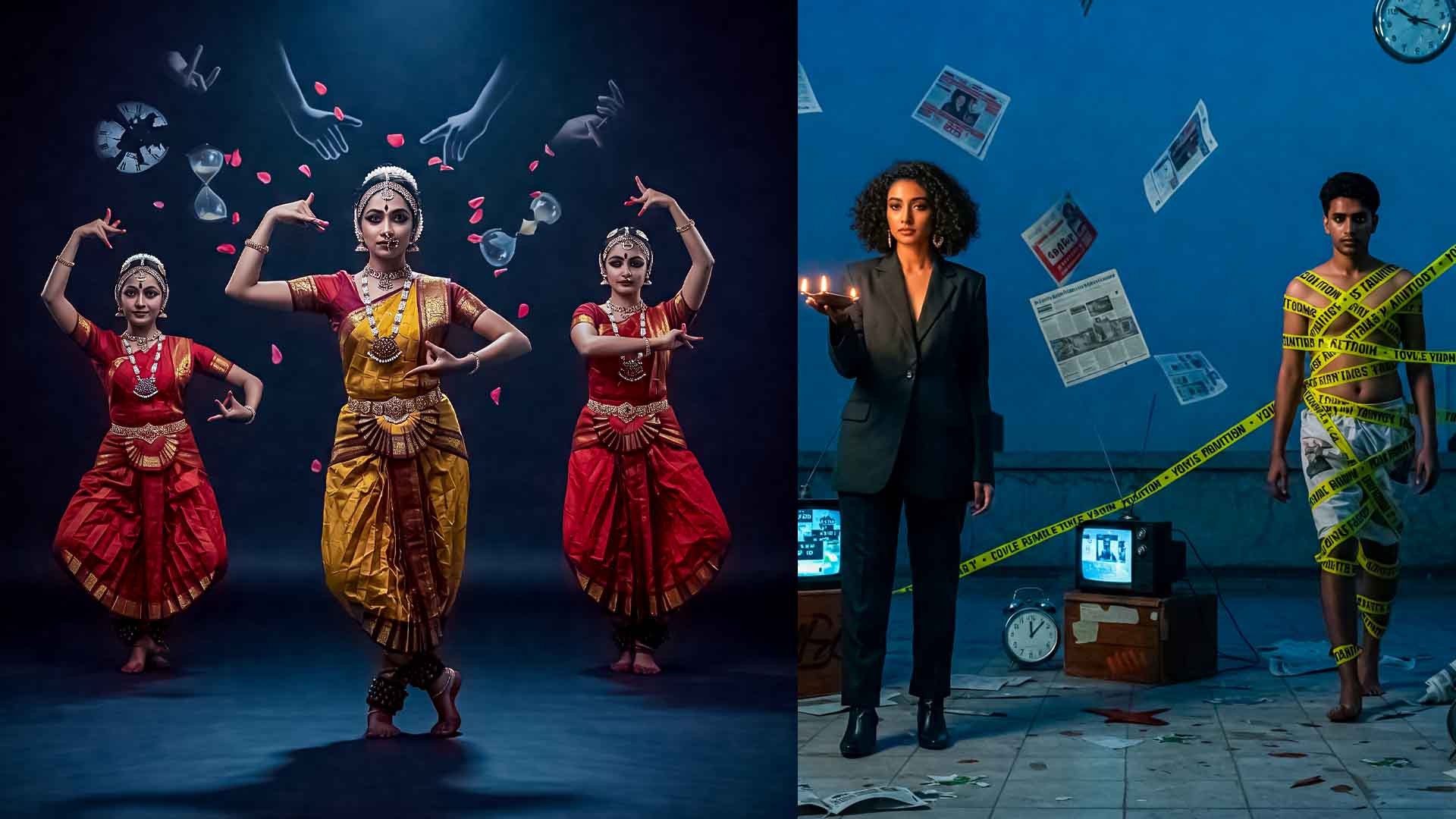
Conceptual photography is the space where imagination and image meet—where photography goes beyond what’s seen to express what’s felt, questioned, or dreamed. It’s not just about capturing a subject. It’s about capturing a concept.
Whether it's an abstract emotion, a social commentary, or a surreal visual metaphor, conceptual photography invites the viewer into a world that’s deeper than the frame.
What Is Conceptual Photography?
At its core, conceptual photography uses visual storytelling to represent an idea. Unlike traditional portrait or commercial photography, it’s less concerned with realism and more with symbolism. It’s about taking a thought—a theme, a statement, a feeling—and translating it into a carefully constructed scene.
The final image may be beautiful, bizarre, or haunting, but always, it leaves you thinking.
The Creative Process: More Than a Click
A powerful conceptual photograph often begins with a sketch, a journal entry, a late-night epiphany. It's a layered process of ideation, planning, and execution.
Here’s what it often involves:
-
Ideation – What do you want to say? What emotion, question, or message will your image carry?
-
Symbolism – Objects, colors, body language, and composition are all used metaphorically.
-
Styling & Set Design – Every element is intentional, from wardrobe to props to lighting.
-
Post-Production – Editing enhances the concept—whether subtly or with surreal transformation.
It’s an image with purpose. A visual poem, crafted line by line.
Themes Often Explored in Conceptual Photography
This genre is as limitless as the mind. Common themes include:
-
Identity and Self-Perception
-
Mental Health and Emotion
-
Time, Memory, and Mortality
-
Societal Norms and Rebellion
-
Isolation, Connection, and the Human Condition
Often, the strongest conceptual photos ask questions rather than give answers.
Not Just Art—Also Impact
While conceptual photography thrives in galleries and exhibitions, it’s also used in advocacy, editorial storytelling, and commercial campaigns that aim to challenge, disrupt, or enlighten.
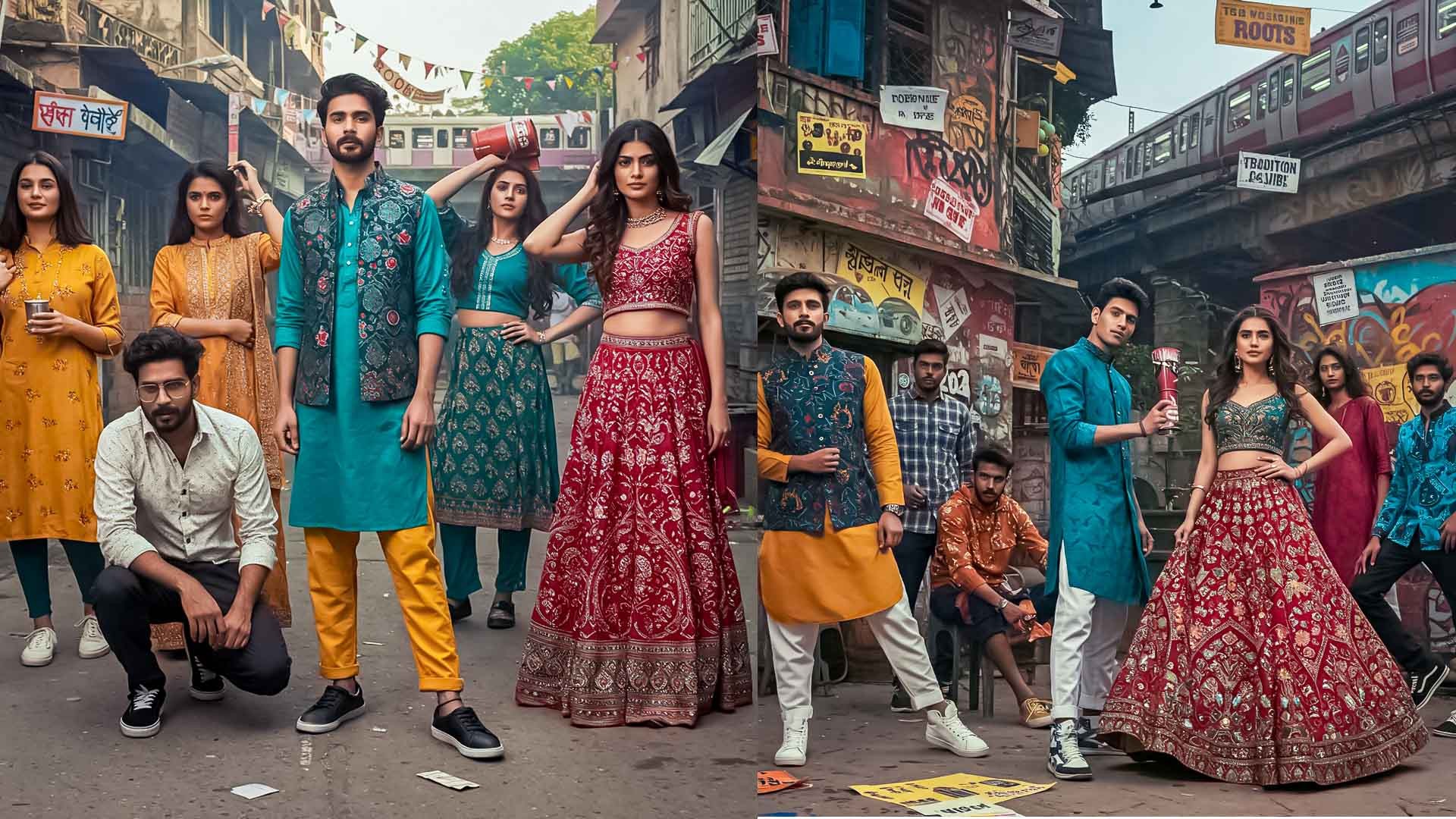
Fashion editorials may use it to provoke thought. Ad campaigns may weave in conceptual imagery to stand apart. Mental health awareness movements often rely on it to give form to the invisible.
It’s visual philosophy. It’s commentary in still form.
Conclusion: Think. Feel. Frame.
In a world saturated with imagery, conceptual photography slows us down. It asks us to look closer. To interpret, to connect, to reconsider. Whether you’re a creator or a viewer, these photographs invite you to step beyond surface-level beauty and into visual storytelling with soul.
It’s not just a photo. It’s a thought, made visible.