Telangana's looms have been producing world-class design for centuries — Pochampally's ikat geometry, Gadwal's gleaming borders, Narayanpet's temple checks. As handloom labels and revival designers around Hyderabad take these weaves to national audiences, a new craft has grown alongside the old one: photographing handloom fashion so the textile's intelligence survives the camera.
The textile is the subject
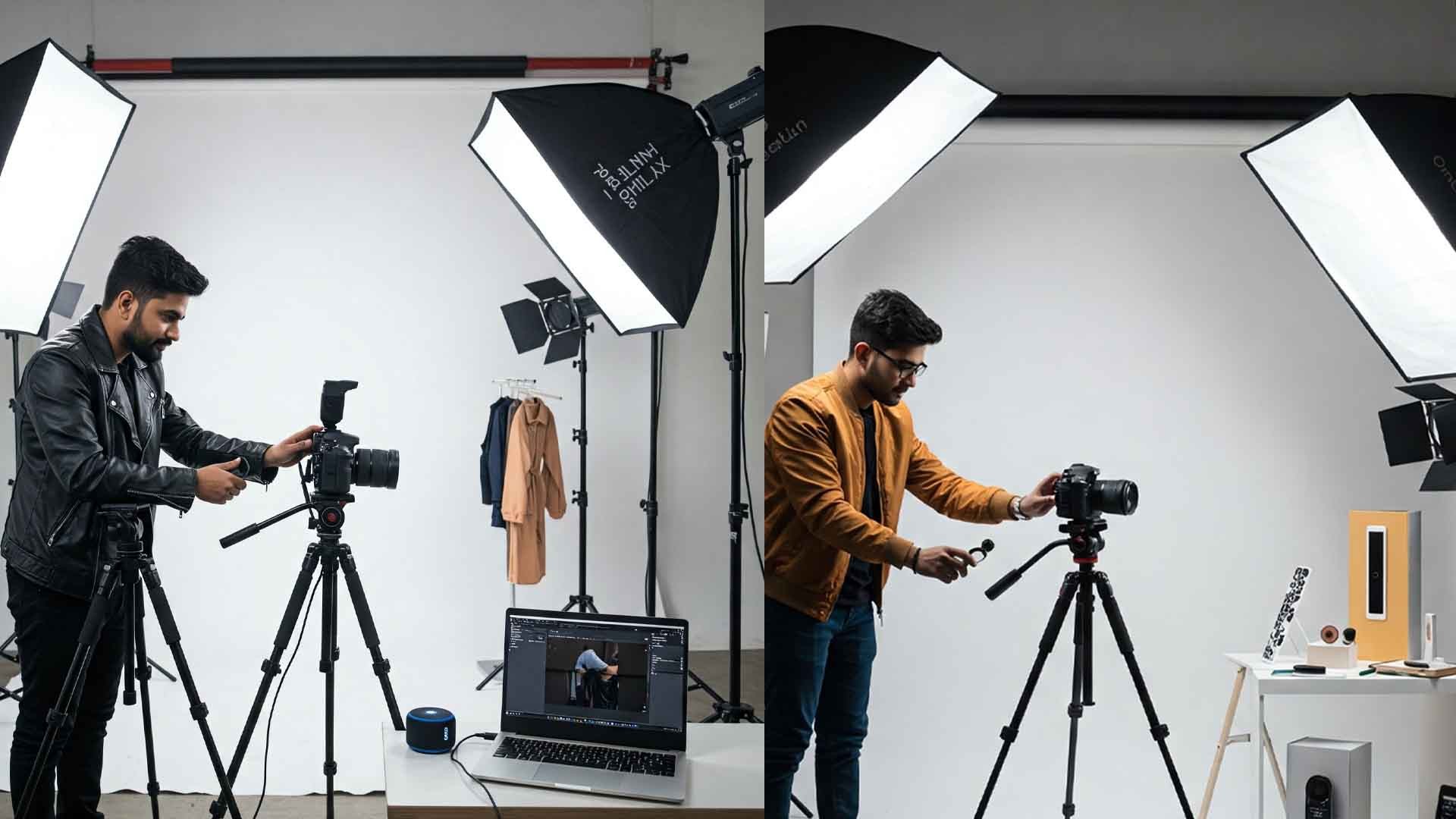
Handloom editorials fail when they're shot like fast fashion — motion blur, heavy grading, the weave reduced to a colour block. Ikat's entire point is precision: patterns dyed into the yarn before weaving, edges that blur by design and nowhere else. That demands photography with discipline — crisp focus across the drape, lighting that raises texture without flattening sheen, and at least one honest close frame per look where the weave itself is the hero. A viewer should be able to feel the fabric through the screen; that's the brief.
Backdrops that belong to the story
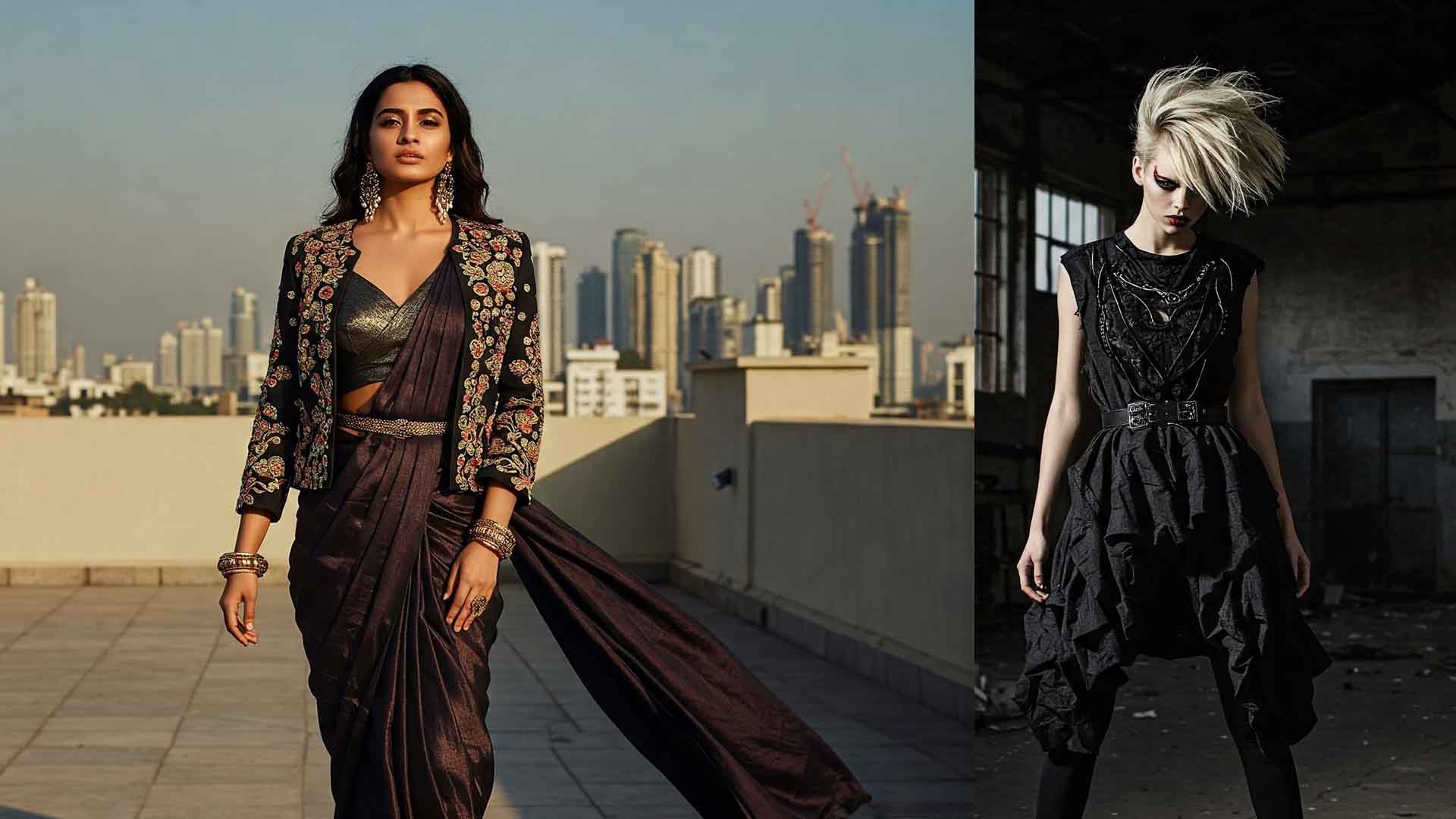
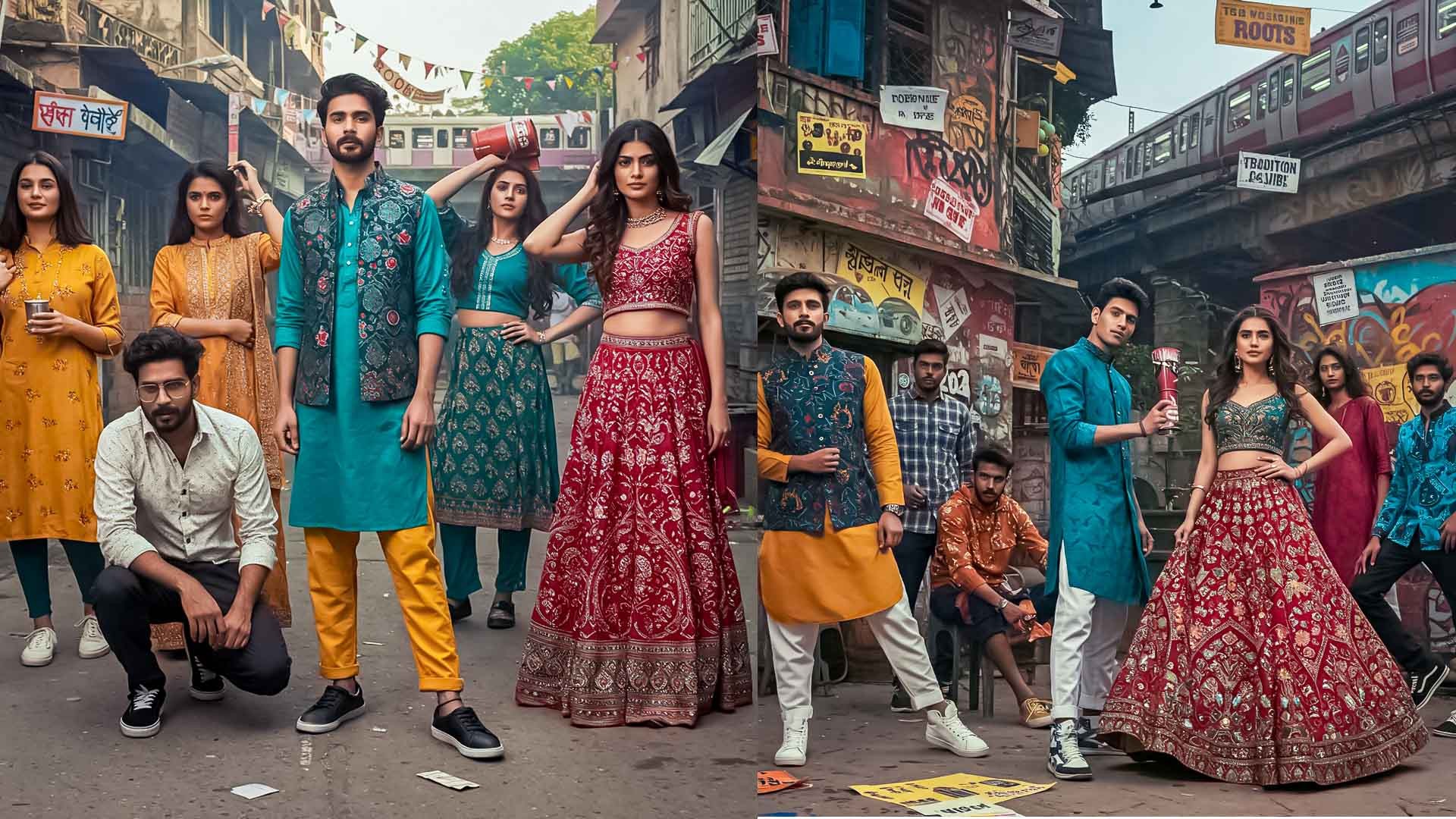
Hyderabad hands you period-correct settings no studio can fake. Weathered stone at heritage sites gives ikat's geometry something organic to argue with. Old-city lanes offer arches, patina and doorways that have watched two centuries of textile trade. On the other side of the same city, the Financial District's glass and concrete makes a sharp modernist counterpoint — handloom-in-the-metropolis is its own editorial genre now. And pearls, the city's other signature, style naturally against silk for jewellery-textile crossover stories.
Styling and light
- Morning light for silk, open shade for cotton. Direct noon sun blows out zari and flattens matte weaves alike.
- Steam everything twice. Handloom creases photograph ten times louder than they look in person.
- Keep grading restrained. Natural-dye palettes are the designer's work; a heavy filter overwrites it.
- Shoot the details deliberately — border, pallu, selvedge, blouse pairing — the catalogue frames buyers zoom into.
- Include the hands when the story allows. Weaver-and-wearer narratives give a label depth no lookbook alone can.
For emerging labels
A handloom label's first editorial is an investment that keeps paying — the same shoot yields campaign heroes, marketplace catalogues, press kits and a season of social content. Plan it as a system: three looks, two locations, one visual language, and every textile given its close-up. The weave took weeks on the loom; give it more than a passing frame.
Hyderabad sits at the exact intersection this genre needs — living craft on one side, a modern fashion audience on the other. The photographers who respect both are producing some of the most distinctive editorial work in the country right now.